What are Dividend and Dividend Yield | जानिए Dividend और Dividend Yield क्या होते है


जानिए-Dividend-और-Dividend-Yield-क्या-होते-है


What is Dividend?

what is dividend Dividend investing has become one of the most famous and effective way to invest for the past 27 years. In fact, it has been many times that Dividend investing is a large part of the stock market yield. Unfortunately, if you are a beginner investor, you are less likely to know what a dividend is and how dividend investing works. What is Dividend has been built for beginner investors who want to know how to successfully trade dividend stocks, dividend ETFs or dividend funds.

What is a Dividend?

A dividend is an amount of money paid by a corporation to its shareholders. Dividends are paid with after tax money. According to the financiall theory, a company will issue a dividend when they can’t invest in a new project that meets the shareholder investment return expectancies. Based on this premise, the corporation rather gives money back to its owner (e.g. the shareholder) through a dividend payout.

The shareholder can then use its dividend payout to invest it in another company that will meet his investment return expectancies.

what is dividend Why Should You Look Into Dividend Investing?

If you want to invest and make profit after a time, dividend investing can be a very interesting way. When you invest, your primary goal is to eventually sell what you bought (company's shares, mutual funds, E.T.F, etc.) at a higher price than you paid for it. Basically, you are thinking to make money with your investment.

What-are-Dividend-and-Dividend-Yield


If you hold regular company shares or mutual fund in your investment account, you must sell them to generate a profit. However, if you hold dividend paying company shares or dividend paying mutual funds, you will earn money while you are holding them in your investment account.

So, you have 2 ways to make money when you do dividend investing:

#1 Earn capital gain by selling your investment at a higher price

#2 Receive  dividend payouts while you are holding them in your investment account.

Is dividend investing different than “regular investing”?

Dividend investing is not actual different than any other regular investing ideas. You can invest in several investment ways such as:

-         Company shares (also called stocks)

-         Mutual funds

-         Exchange Traded Fund (ETF)

The only difference is that the titles you hold in your investment account are distributing a part of their profit to their owner (you!) over a time. However, dividend investors have to keep few factors to consider before making their investing journey.

One must look into dividend metrics such as:

-         dividend growth

-         dividend payout ratio

-         dividend yield

-         ex-dividend date

-         dividend raises or dividend cuts,etc.


what are Dividend Raise and Dividend cut 

What are Dividend Raise and Dividend Cut

There is a very delicate balance between the dividends that a company pays to the investors, the shares price of that company, dividend raise and dividend cuts.

Companies that regularly increase their dividends (such as dividend champions) attract a lot of investors. When shopping around for dividend paying companies, the dividend raise chart is very important. You need to find companies that do increase their dividends each year, or your investments will be eroded by inflation. However, it’s not realistic and sustainable, for a company, to increase dividends at unusually high rates.

What is a sustainable rate when it comes to dividend raise?

What-are-Dividend-and-Dividend-Yield

A dividend raise around 10% yearly covers the inflation and manages to bring you good profits, without endangering the future of the company. A dividend payments growth rate around 5-10 % per year can be considered as standard procedure. But, if a company announces an important increase in dividends payments, this information should raise a little red flag. Sudden increase in dividend payment is not always a good sign: it could be a strategy used by that company to increase the price of shares.

When Dividend raises occur

Dividend increase is a mechanism that companies sometimes use to keep the price of their shares up. Since investors are looking to make more money with their investments, they will look after stocks that are able to increase their dividend years after years.

Therefore, solid companies will be able to raise the dividend payout without busting their dividend payout ratio. If a company sees its cash flow and net profit increasing, it will vote a dividend payout increase in order to share the wealth with their shareholders. When this occur, the dividend payout ratio remains about the same and investors receive more money in their pocket. This is when dividend raises should always occur. However…

Beware of Dividend raises – look behind the numbers

During a recession, there are periods when a company’s stock start going down. A lot of investors will feel the urge to get rid of their shares in this situation and the price will continue to go down. To stop this chain reaction, companies might increase their dividends, to attract new investors and to raise the price of the shares.

There are serious risks associated with this strategy. When a company pays more dividends then it can actually afford, the company may remain vulnerable, without financial resources for growth and development.

There are also companies that finance dividends raise from borrowed money. That’s a huge vulnerability of a company, and you should avoid companies with high debt levels.

Dividend Achievers, Dividend Champions and Dividend Aristocrats

For safe, profitable long-term investments pick companies that have constant, average raises of dividend payments. The companies that, during the last 25 years, maintained a steady raise of dividends are known as dividend aristocrats. Investing a part of your money in companies from this exclusivist group is a good way to make sure you build a strong, safe portfolio.


Dividend cuts – when they occur and what they tell you about a company?

Dividend cut is a collocation that all investors fear and want to avoid. However, sometimes companies have to cut the dividend payments to the shareholders, in order to improve the company’s operations or even to save the company from bankruptcy.

If the earnings of a company were far lower then estimated, the only realistic solution for that company to remain competitive on the long term is a dividend cut.

Companies try to avoid it, because it generates a lot of mistrust among shareholders, determining them to start selling stocks, which can cause important financial losses to a company. In most cases, the company stock will drop significantly upon the dividend cut announcement.

But economic turmoil can determinate any company, even those formerly in dividend aristocrats group, to make use of dividend cuts. For example, in 2009, a lot of banks from United States were forced to cut drastically their dividends. US Bancorp cut dividends by 88%, while Citigroup and Bank of America slashed their dividends to just one cent.

A Dividend cut is not a solution preferred by a company’s executives or shareholders, but it’s a decision that sometimes needs to me made. If a company cut dividends, it’s never a good sign as it is usually one of the company’s last resorts. By cutting the dividend, the company knows that it will lost a lot of capital market and interest from investors. Maybe it’s time for you to leave to boat too…

On the other side, a dividend cut means cheaper shares, so if you consider that the company has long term potential; it’s the right time to invest. However, there is a combination of factors that you should really avoid, when it comes to investing your money: dividend cuts, high debt level and low cash flow. This combination is hard to overcome by any company, so place your money elsewhere.

In the end, if you are looking to build a long term growth dividend portfolio, you are better off avoiding companies with low dividend raise and sell companies that cut their dividends.

You can find financial information about a company on the company’s website or use our dividend resources to look over more companies.

What Is a Dividend Yield – How to Calculate Dividends

Interested in investing your money on dividend paying companies? Then, you need to understand notions such as dividend payment, dividend yield, dividend payment ratio, dividend increase or dividend cut. All those numbers are important information, which can help you to make an informed decision, when it comes to investing your money. It’s very hard to compare the performances of different companies, if you don’t have those numbers or you don’t know what they mean.

Dividend yield help you invest your money wise 

What-are-Dividend-and-Dividend-Yield

The dividend payment allows you to calculate the amount of cash you get, based on the quantity of shares your have. For example, if you have 2000 shares to a certain company, and the annual dividend for a share it’s 0,50$, then you get an annual dividend payment of $1000. Most companies pay dividends quarterly, which means that you will receive $250 every three months.

What is a Dividend Yield?

The Dividend yield is a percentage that shows you how much return you get for the money you invested. Let’s take, for example, Procter & Gamble Company (PG). The average price P&G stocks, in 2010, was around $60. In the same period of time, the company paid dividends of $ 1,80 per share. This means that dividend yield for P&G shares, in 2010, was the report between the annual dividends per share – in this case $1,80 – and the price per share, this being, in our example, $63.  Following the formula  to calculate the dividend yield:

Dividend Yield = Annual Dividend Paid / Stock Price

The Procter & Gamble shares had, in 2010, a dividend yield or 2,3%.

How to use the Dividend Yield

The dividend yield offers you the right instrument to compare different companies. The dividend per share they offer it’s a tool, but not the most accurate one. For example, if you buy shares to ABC company, and each share costs you 20 dollars, but the company offers you annual dividends per share of $1, the dividend yield of that company is 5%.

Let’s take another example, to understand exactly why dividend yield is very important, when you make investment decisions. If another company (XYZ) offers $2 annual dividends per share, while the price per share is $60, the dividend yield is 3%.

When you look at both companies, while the dividend payout in cash is higher with XYZ, the dividend yield is higher with ABC. If your goal is to build an investment portfolio with the highest dividend yield, you should buy shares of ABC company.

Dividend yield is the instrument that tells you how much you get for every dollar you invested. Companies pay dividends quarterly, but dividend yield is always calculated on the yearly payout.

Dividends increases and dividend cuts

When you invest your money in dividend paying company, it’s a good idea to check the long-term evolution of the dividends. You should be looking for companies that increase the dividends every year.  In order to do so, you need to look at 1year and 5 year dividend growth.

If you buy shares to a company now and that company pays $3 in dividends for each share, in 30 years those $3 might not be such a great deal. You need to invest in companies that increase their dividends yearly, and the increase covers at least for the inflation.

If you want to calculate dividends increase of a company, over a certain period of time, you need the dividend history for precedent years. Usually, you can find this information on that company’s website. Here is an example on how you can calculate the growth rate of a company’s dividends.

If, in 2008, you got $3 dividend for each share you owned to a company, in 2009 the dividends increased to $3,80 and in 2010 to $4,50, you have all the information to calculate the growth rate. In 2009, compared with 2008, the dividends increased by two percent (3.80-3= 0.80/100=8%). In 2010, compare with 2009, the growth was only seven percent (4.50-3.80=0.70/100=7%). Now you have to calculate the average growth over the last two years: 8%+7%=15/2= 7.5%.

Sometimes, companies have to cut on their dividends. If they don’t make enough money one year, they will have to reduce their dividend payout they are paying to the shareholders or even give up on paying dividends for that year. Of course, that’s not good news for a shareholder. However, on the long-term, it’s better for a company to consolidate financially and to grow then it is to pay the dividends in a particular year. You can read more on the effect of a dividend rise or dividend cut here.

What is a Dividend Payout Ratio?

Dividend payout ratio is very important when you look at any dividend stocks. In fact, this is part of the 5 most important dividend ratios should you look at. This article will explain you what is a dividend payout ratio, how to calculate it and why it is so important.

What is a Dividend Payout Ratio?

Dividend payout ratio is the proportion between dividends per share and earnings per share that a company pays to the shareholders. This percent tells you the amount of cash that a company pays in dividends, to shareholders, from the total earnings. Here’s the Dividend Payout Ratio Formula:

Dividend Payout Ratio = Dividends per Share / Earnings per Share

A short example will help you understand this notion better. If a company that has total earnings of $4 per share, but decides to keep $3 for investments and future growths and to pay dividends of only $1 per share, to the shareholders, you can calculate the dividend payout ratio yourself: 1$/4$=0,25 – that’s a 25% payout ratio.

Different Company Stage – Different Dividend Payout Ratio

Most companies retain, each year, a part of their earnings for investments, and distribute to the shareholders the rest of the money. Small, emergent companies tend to keep a big part of their earnings for growing, and will pay small, or no dividends at all. Such companies will have small dividend payout ratios. Big, well-established companies, on the other hand, pay a bigger part of their earnings to the shareholders, thus they have high dividend payout ratios. The question is: should you invest in companies with high or low payout ratios? Well, the answer is not as simple as you might think and there are a lot of factors you need to consider.

High payout ratios – things you need to know

If you want to invest you money in dividend paying companies, there is one important question: should you place your money in companies that offer high payout ratios or, on the contrary, in companies that limit the amount of dividends they pay to the shareholders?

Well, your first instinct would be to pick the companies that offer you high dividend payment ratios thinking company are sharing most of their profit with the shareholders.

However, that’s not always or not necessarily the best choice. When it comes to investing money, there are a lot of factors you need to take into account. If you invest in a company that usually pays dividends at high payout ratios, you need to wander for how long that company will be able to continue the payments?

A company that has a 100% payout ratio probably won’t succeed to remain competitive. Distributing all the money to the shareholders, as dividends, means that there is no money left for investments, for development, for bringing in new technologies and for keeping the business competitive. So, a very high dividends payout ratio is virtually impossible to be maintained on the long-term. Sooner of later, that company will either go out of business or will have to stop paying dividends all together for a while.

What is the Perfect Dividend Payout Ratio?

The best strategy to invest your money is to select companies that offer you a decent dividend payout ratio, but still keep a part of the money for future growth. Dividend payout ratios between 30 % and 60 % tell you that you are dealing with responsible companies, which are interested in providing good, stable returns to the shareholders and in the same time to maintain a healthy, solid business running. When you look at the best dividend stocks, most companies able to maintain a solid dividend payout throughout several years will rarely exceed 60% in term of dividend payout ratio.

What low payout ratios mean and when to invest in such companies

When a company decides to pay only a small portion of the profits to the shareholders, as dividends, it means that the company focusing on growing and expand of a bussiness. Generally, that’s the case of smaller companies. Buying shares to such companies may be a good idea, because potential of growth is huge in such companies if fundamental is strong.

Even if you don’t make cash on the short term, there are great perspectives for the future. There is a direct connection between the dividend payout ratio or a company's price of the shares. Companies with low dividend payout ratio might have cheaper shares, while companies with high dividend payout ratio also have little expensive shares.

If you buy cheap shares to a growing company, which doesn’t pay high dividends yet, over time you will enjoy great returns. So, if you are interested in capital gain and long-term investments, don’t ignore dynamic companies, only because they offer you low dividend payout ratios. The best way to make a solid and profitable investments portfolio is to place your money both in well-established, big companies and in small, emergent companies. This way, you’ll enjoy nice dividends from companies with high payout ratios and, in the same time, you have the opportunity of high returns on the long term, with emerging or growing companies.

What are Dividend Payout and Dividend Payout Ratio

Dividend payout is the amount of cash that a firm pays to the shareholders for their stock, distributing, this way, the earnings generated during a certain period of time, usually the fiscal year. Generally, a corporation doesn’t transfer all the earnings to the shareholders, as dividends. Some of the cash is used for investments. The dividend payout ratio is the fraction of the net income that a company pays to the shareholders.

Dividend payout – how you can use it

There are two important ways to use your dividend payout.  The shareholder is free to use the cash as he or she pleases. Once a company closes the monthly quarterly result and calculates the earnings (or net income) the shareholders will also receive all the documentation via mail or by post. They will found out how much cash was generated and the exact amount of money they get for their shares. The investors get the cash through checks or through electronic transfer, directly into their bank account. However, there is another course of action for your dividend payout. You have the possibility to leave the money into an account and to use them to buy more shares, increasing your participation to that company (this is call a DRIP). A good example of constant dividend payout comes from Johnson & Johnson, which in the last ten years maintain a range between 35% and 45%.

What dividend payout ratio tells you about a company

What-are-Dividend-and-Dividend-Yield

The dividend payout ratio is an important number, which tells you a lot about a company. The number is a percent and represents how much of the earnings for a determined period of time reach to the investors. For example, if you invested in a company and the company announces, for that year, a dividend payout ratio of 40%, it means that you will get 40% of the earnings generated by the shares you own. The rest of the earnings, in this case 60%, will remain in the company and will be use for investments. Generally, big, well-established companies giving return a bigger part of the earnings to the shareholders. Low payout ratio can also lead to future dividend raise. New, emergent companies have very low dividend payout ratio or even zero. However, that is not necessarily a bad thing; it just means that the money is reinvested in the company, generating capital growth. You can read more info on dividend payout ratios and how to calculate it in this article: What is a Dividend Payout Ratio.

How to select the right investments for your needs

If you are looking for places to invest your money, the dividend payout ratio provides you a lot of information. A high dividend pay ratio tells you that the company returns a big part of the earnings to the investors. This type of companies is suitable for you, if you are looking for high current income. If you are aiming for capital growth and you want to pay lower taxes, then you should invest your money on emergent companies, with low dividend payout ratio. They will bring you nice returns on the long term, and, in the mean while, you pay lower taxes for capital gains.

You can buy dividend-paying stocks from the share market

For a profitable investment portfolio, a good strategy is to include some dividend paying stocks to it. This type of stock comes with a lot of advantages. You get cash returns quarterly, whether the stocks of the company go up or down. This way, you are protected against the periodic, inherent turmoil of the stock market. Investing your money in solid, dividend-paying companies is the right strategy for long-term investments. The dividends are not guaranteed, but statistics show that most companies raise their dividend payout ratio over time or at least maintain it. Purchasing dividend paying stocks protect your from most of the stock market investing risks.

Dividend payers are solid, well established companies and, on the long term, most of the returns come from dividends. Any investments strategy should focus on those companies.

DIVIDEND BASICS

What is a Dividend?

(Excerpt from What is a Dividend? article) The word dividend has come to mean cash that is distributed from earnings. Usually, any direct payment from the corporation to the shareholders will be deemed to be a dividend.

How do I buy dividend stocks?

You need to open a brokerage account in order to buy dividend stocks. They are no different than any other stocks on the market.

Do I need a lot of money to invest in dividend stocks?

You can start a dividend portfolio with as little as $1,000.

Do I need a financial advisor to buy dividend stocks?

Financial advisor will usually be able to sell mutual funds and talk about asset allocation. You need an advisor with a broker licence to get stock recommendation.

How dividends get paid?

Dividends are paid via checks by mail, electronic deposits in your brokerage account or reinvested via a DRIP.

What is an Ex-Dividend Date?

(Excerpt from What is an Ex-Dividend Date? Article) The ex-dividend date is the date that’s exactly two business days prior to the date of record. What this means is that the firm that is giving out the dividend establishes and figures out exactly which individuals are entitled to receive a dividend from the company.

Do I need to subscribe to a newsletter and follow some “guru”?

Newsletters or gurus are not to be followed blindly. A good investing strategy based on fundamental analysis is still the best way to buy dividend stocks.

What do transaction fees look like?

If you trade individual stocks, trading cost can be as low as $4.95 to as high as $29.95 per trade (e.g. if you buy it’s one trade and if you sell it’s a second trade).

Besides transaction costs you should not have any other fees related to your account (as long as you are trading 2-3 times per year).

Should I transfer all my investment accounts at the same firm?

If you must leave your financial advisor because he doesn’t have a broker licence, you can transfer your current investments (mutual funds, etf, etc) to a brokerage account firm “in kind”. When you transfer “in kind”, it means that you transfer the account “as is” and you keep your investments. Therefore, you do not trigger any sales or any fees (beside the transferring fees).

You are better off having only one investment account as it makes easier for you to follow your trade and bigger investment accounts could benefits from better trading prices.

                 🙏🙏🙏           🙏🙏🙏          🙏🙏🙏

 
thank-u-for-visiting
YOU MAY LIKE:-Share Market and its Dmat A/C to trade:how to Open

How does the stock market work? 

How Share Market works/janye SHARE BAZAR kaise kaam karta hai  

What are Dividend and Dividend Yield | जानिए Dividend और Dividend Yield क्या होते है  


(Basic) Dividend and Dividend Yield | जानिए Dividend और Dividend Yield क्या होते है


What are Dividend and Dividend Yield | जानिए Dividend और Dividend Yield क्या होते है 

What-are-Dividend-and-Dividend-Yield

कंपनी अपने प्रॉफिट का कुछ हिस्सा अपने शेयरहोल्डर्स के साथ शेयर करती है उसे डिविडेंड कहते है फिलहाल दस लाख रुपए तक के डिविडेंड पर शेयरहोल्डर्स को कोई टैक्स नहीं लगता है सो आप ये कह सकते हो कि शेयर होल्डर्स के लिए डिविडेंड टैक्स फ्री इनकम है। 

What-are-Dividend-and-Dividend-Yield

शेयरहोल्डर्स को डिविडेंड देना कंपनी के लिए कंपलसरी नहीं होता है अगर कोई कंपनी लगातार डिविडेंड दे रही है तो इसकी कोई गारंटी नही है की आगे वो कंपनी रेगुलर डिविडेंड देगी, डिविडेंड देना है या नहीं वो डिसिशन पूरी तरह कम्पनी के बोर्ड ऑफ डायरेक्टर्स पे डिपेंड होता है। स्मॉल कंपनी rarely( शायद ही कभी ) डिविडेंड देती है क्योंकि मोस्ट टाइम वो अपना प्रॉफिट ग्रोथ और एक्सपेंशन में लगाती है

What-are-Dividend-and-Dividend-Yield

 बेसिकली हर शेयर की एक face  value होती है और एक market value होती है स्टॉक मार्केट में जो भी Share की करंट प्राइस चल रही होती है वो Share की मार्केट वैल्यू होती है यानी जीस प्राइस पर आप शेयर खरीदते हो या बेचते हैं वो शेयर की मार्केट वैल्यू होती है। शेयर के मार्केट वैल्यू सप्लाई डिमांड के कारण लगातार चेंज होती रहती है हर कंपनी की एक Nominal Value भी होती है जिसे Face Value कहा जाता है जब कंपनी अपने शेयर इशू करती है तब कम्पनी शेयर की फेस वैल्यू डिसाइड करती है शेयर की फेस वैल्यू मार्केट वैल्यू यानी शेयर प्राइस की तरह सप्लाई डिमांड के कारण चेंज नहीं होती Face Value कुछ स्पेशल इवेंट्स में ही चेंज होती है जैसे Stock Split और Consolidation स्टॉक स्पिलिट और कंसोलिडेशन क्या होते हैं इन्हें भी हम जल्दी कवर करेंगे। Share की face value का market value से कुछ लेना देना नहीं होता। Face value का यूज़ अकाउंटिंग में और डिविडेंड में होता है कंपनी जो डिविडेंड इशू करती है वो फेस वैल्यू पे दिया जाता है,

What-are-Dividend-and-Dividend-Yield

फोर इग्ज़ैम्पल मान लीजिये एबीसी नाम की कंपनी है जिसके एक शेर की मार्केट वैल्यू 1000 रुपीज और फेस वैल्यू 10 रुपीज और अगर ABC Company 200% परसेंटेज dividend डिक्लेयर करती है तो इसका मतलब है कि एबीसी कंपनी अपने शेयर की फेस वैल्यू पर 200% dividend दे रही है सो इस केस में डिविडेंड रहेगा टू हंड्रेड परसेंटेज  of फेस वैल्यू यहाँ पे एबीसी कंपनी की face value है 10 रुपीज therefore dividend is equal to 200% of 10 rupees जो होता है बीस रुपये तो एबीसी कंपनी के शेयरहोल्डर्स को एक शेयर के पीछे बीस रुपए का Dividend मिलेंगे

अब Dividend Yield की बात करते हैं डिविडेंड यील्ड से हमें कंपनी अपने शेयर के मार्केट प्राइस के मुकाबले कितना डिविडेंड दे रही है ये समझता है डिविडेंड यील्ड का उपयोग Dividend स्टॉक्स का डिविडेंड देने वाली कंपनी का compare के लिए भी किया जाता है

What-are-Dividend-and-Dividend-Yield

 मान लीजिए की दो कंपनी है ABC और XYZ और दोनों कंपनी ने अपने शेयरहोल्डर्स को 20/share का dividend दिया है सो यहाँ पर यह कहना मुश्किल है कि एक शेयर की मार्केट वैल्यू के पीछे एक्चुअल में किस कम्पनी ने ज्यादा डिविडेंड दिया है और इसे निकालने के लिए डिविडेंड का इस्तेमाल किया जाता है अगर ABC के एक शेयर की प्राइस 1000 rupees है और XYZ के एक शेयर की प्राइस 2000 रुपीज है तो डिविडेंड यील्ड निकालने के बाद हम उन दो कंपनी के डिविडेंड को आराम से कम्पेयर कर सकते हैं Dividend Yield का फार्मूला है Dividend per Share यानी एक शेयर पर मिला हुआ डिविडेंड Divided by Market Price/share यानि एक शेयर की मार्किट प्राइस। 

जैसे की हमने देखा की ABC के एक शेयर की प्राइस 1000 rupees और एबीसी ने 20 rupees per share डिविडेंड दिया है। therefore Dividend Yield of company ABC is equal to 20 divided by 1000 multiply by 100 equal to 2% और XYZ के एक शेयर की प्राइस है 2000 rupees और XYZ ने 20 rupees per share डिविडेंड दिया है therefore Dividend Yield of company XYZ is equal to 20 divided by 2000 multiply by 100 is equal to 1%. Company ABC की Dividend Yield है 2% इसका मतलब है की 100 rupees market value के पीछे ABC के Shareholders को 2 rupees dividend मिला है सिमिलरली XYZ की डिविडेंड यील्ड है 1%  इसका मतलब है कि सौ रुपए की मार्केट वैल्यू के पीछे एक XYZ कंपनी के शेयरहोल्डर्स को एक रुपये का dividend मिला है तो इससे हमे ये पता चलता है की ABC कंपनी के शेयर होल्डर्स को XYZ कंपनी के शेयरहोल्डर्स के मुकाबले ज्यादा डिविडेंड मिला है। 

What-are-Dividend-and-Dividend-Yield

कई बार होता यह है कि शेयर की प्राइस गिरने के कारण Dividend Yield ज्यादा देखने दिखने लगती है जैसे की अभी हमने देखा कि जब एबीसी कंपनी की मार्केट प्राइस वन थाउजेंड रुपीज थी तब एबीसी की Dividend yield 2 परसेंटेज थी और मानलीजिये कि एक साल बाद एबीसी कंपनी की शेयर प्राइस वन थाउजेंड रुपीज से गिरकर फाइव हंड्रेड रुपीज हो जाती है और कंपनी ट्वेंटी रुपीज पर शेयर डिविडेंड डिक्लेर करती है तब एबीसी कंपनी की डिविडेंड यील्ड हो जाएगी 4 परसेंट यानी पहले के डिविडेंड यील्ड से डबल हो जाएगा यहाँ पर कंपनी ने डिविडेंड तो उतना ही दिया हैं बस शेयर के मार्केट प्राइस गिरने के कारण डिविडेंड यील्ड ज्यादा दिख रही है। डिविडेंड यील्ड देखते वक़्त आपको ये भी देखना होगा कि किसी स्टॉक की डिविडेंड यील्ड अगर ज्यादा है तो वो कंपनी ने ज्यादा डिविडेंड देने के कारण है यह शेयर प्राइस में आई गिरावट के कारण। 

बहुत सॉरी कम्पनी ऐसी भी हैं जो कभी डिविडेंट नहीं देती और एग्जाम्पल दुनिया के सबसे सक्सेसफुल इन्वेस्टर मिस्टर वॉरेन बफेट की कंपनी BERKSHIRE HATHAWAY है। वे कभी शेयरहोल्डर्स को डिविडेंड नहीं देती क्योंकि मिस्टर वॉरेन बफेट को लगता है कि कंपनी का प्रॉफिट अगर कंपनी के एक्सिस्टिंग बिज़नेस में इन्वेस्ट किया जाए जैसे एक्जिस्टिंग बिज़नेस को एक्सपेंड करने के लिए प्रोडक्ट्स,सर्विस या प्रोजेक्ट लॉन्च करने के लिए या अगर वो पैसा अच्छी कंपनी को एक्वायर करने के लिए किया जाए तो कंपनी को उसका अच्छा फायदा हो सकता है और इससे कंपनी को कॉम्पिटिशन में आगे रहने में मदद हो सकती है इससे कंपनी की मार्केट वैल्यू भी बढ़ सकती है इस तरह शेयरहोल्डर्स को Capital Appreciation के जरिए इसका फायदा हो सकता है कैपिटल अॅप्रिसिएशन मतलब शेयर की प्राइस बढ़ने से आपकी इन्वेस्टमेंट वैल्यू का बढ़ना। फॉर एक्साम्पल अगर अपने 2 साल पहले कोई स्टॉक 100rs में लिया था और आज ओस शेयर की प्राइस 160rs है तोह आपकी इन्वेस्टमेंट वैल्यू में ये 60rs या 60% राइज है इसे ही Capital Appreciation कहते है।


IN ENGLISH

The company shares a part of its profit with its shareholders. It is called a dividend. Currently, there is no tax on the dividend of up to one million rupees, so you can say that dividend is tax free income for the share holders.


Dividend to shareholders is not compulsory for a company if a company continuously

If you are paying a dividend, there is no guarantee that the company will give a regular dividend, give a dividend.

Whether or not that decision is entirely dependent on the company's board of directors. Small company

rarely gives dividend because most of the time it gets its profit growth and expansion

Applies in basic every share has a face value and a market value

Whatever the current price of a share is going on in the stock market is the market value of the share.

That is, the price you buy or sell at the price is the market value of the share. The market value of the stock is constantly changing due to supply demand. Every company also has a nominal value which is called the face value. When the company issues its shares, the company dissects the face value of the share. The face value of the share is the market value. That is, like the share price, there is no change due to supply demand. Face value changes only in some special events like Stock Split and Consolidation What are the stock split and consolidation, we will also cover them soon. Share face value has nothing to do with market value. Face value is used in accounting and in dividend. The company that issues dividend is given the face value. For example, suppose a company named ABC has a lion with a market value of 1000 rupees and face value of 10 rupees and if ABC If the company declares 200% percentage dividend, then it means that ABC company is giving 200% dividend on the face value of its shares, so in this case dividend will remain two hundred percent percentage of face value. Here ABC company face value is 10 rupees therefore dividend is equal to 200% of 10 rupees, which is twenty rupees, then the shareholders of ABC Company will get a dividend of twenty rupees behind one share.

Now let's talk about Dividend Yield. Dividend Yield gives us an idea of ​​how much dividend the company is paying against the market price of its share. Dividend Yield is also used to compare Dividend Stock's dividend paying company. Suppose two The company is ABC and XYZ and both the company has given a dividend of 20 / share to its shareholders, so it is difficult to say which company has given more dividend in actuall behind the market value of a share and to get it out of the dividend Used if the price of one share of ABC is 1000 rupees and the price of one share of XYZ is 2000 rupees then after deducting the dividend yield we can comfortably compare the dividend of those two companies. Dividend Yield has the formula Dividend per Share means dividend received by one share divided by market price / share i.e. market price of one share.

Like we saw that ABC's share price is 1000 rupees and ABC has given 20 rupees per share dividend. Therefore Dividend Yield of company ABC is equal to 20 divided by 1000 multiply by 100 equal to 2% and a share price of XYZ is 2000 rupees and XYZ has given 20 rupees per share dividend hence Dividend Yield of company XYZ is equal to 20 divided by 2000 multiply by 100 is equal to 1%. Dividend Yield of Company ABC is 2% It means that behind 100 rupees market value ABC Shareholders have got 2 rupees Dividend Similarly XYZ's Dividend Yield is 1% It means that behind 100 rupees market value of company XYZ Shareholders have received a dividend of one rupee, so it shows us that the shareholders of ABC company have received more dividend than the shareholders of XYZ company.

Sometimes it happens that Dividend Yield starts to look more due to the fall in the share price, just as we saw that when ABC Company's market price was one thousand rupees, then ABC's Dividend yield was 2 percent and assume that ABC a year later The share price of the company falls from one thousand rupees to five hundred thousand rupees and the company declines the dividend on the Twenty rupees, then ABC will get dividend yield of the company at 4 percent i.e. double the dividend yield of the company here. The dividend yield is seen more due to falling market price of the stock. While looking at the dividend yield, you also have to see that if the dividend yield of a stock is high, it is due to the company giving more dividend, or due to the fall in the share price. 

There are many so companies that never give dividends and the example is BERKSHIRE HATHAWAY, the company of Mr. Warren Buffett, the world's most successful investor. They never give dividend to the shareholders because Mr. Warren Buffett feels that the company's profit should be invested in the company's exiting business such as to launch products, services or project to expand the exiting business or if that money is used for acquisition of good company. If done for then the company can get good benefit from it and it can help the company to stay ahead in the competition, it can also increase the market value of the company, thus shareholders can benefit from it through capital appreciation. Capital appreciation means that your investment value increases as the share price increases. For example, if you took a stock in 100rs 2 years ago and today the price of that share is 160rs, then it is 60rs or 60% rise in your investment value, this is called Capital Appreciation.

                       🙏🙏         🙏🙏       🙏🙏


YOU MAY LIKE:-How Share Market works/janye SHARE BAZAR kaise kaam karta hai

VI 4G-2G Network Auto Change Problem Solved 

VI 4G-2G Network Auto Change Problem Solved


Friends, Aaj Mei Apko aise 2 trick bataunga jisse apki

VI Network Auto convert 4G to 2G Problem Solved ho

jayegi or apki net ki Speed v badh jayegi.


vi-4g-auto-network-change-problem-solved

Frnds, aisa kai bar hota hai jab ham net use kar rahe hote hai or 

hamare Idea(Vi) network connection 4G Se 2G or 2G se 4G me 

automatically convert ho jata hai,esse hamare Net ki speed aur net

use karne me kafi disturbance aate hai or net ki Speed v kam ho

jate hai. Network ko Stable karne ka kya solution hai wo mei apko

aage batane wala hun.

Sabse pahle apko apne mobile ke Setting ke NETWORK CONNECTION me jana

hai or LTE 4G Only select kar dena hai, Oske baad apko dhyan rahe Apne SIM

Slot 1 me VI Sim ko insert kiya ho agar Aap Vi sim se net use karte hai toh.

                              Internet ki Speed badhane ke liye apko apne mobile

ki Setting me jake APN Create karna hoga jo ki es prakar hai:-

Edit Access Point

Name - VI NET 4G

APN - 4gvinet

Proxy - 

Port - 

Username - 4GSpeed.Net

Password - 

Server - www.google.com

MMSC - 

MMS Proxy - 

MCC - (Mobile Country Code) default set rahne de

MNC - (Mobile Network Code) ye v default set rahne de, ye Area ka code hota 

         hai esme koi changes na kare

Authentication type - PAP

APN Type - 

APN Protocol - IPV4/IPV6

APN Roaming Protocol - IPV4/IPV6

Bearer - LTE

MVNO Type - 

                    Ye sab type kar save kar de or select kar le, kuch seconds 

me Network Enable hoke Tower 4G me aa jayega.

Dusre Setting jo ki main hai esse apki mobile ki NETWORK Stable hojaige or bar

bar auto Change nahi hogi.

Apko apne Mobile ke Dailer pad se type karna hai *#*#4636#*#* .

Agar apka mobile Samsung ka hai toh ye dail kare *#0011# .

vi-4g-auto-network-change-problem-solved


Dail karte hi New White Screen show hoga jise likha hoga:- TESTING
1. DEVICE INFORMATION ˂ (i) sim 1 info ˂ (ii) sim 2 info                    

2. USAGE STATISTICS

3. WIFI INFORMATION

Apko device information me jana hai or Set Preferred

Network Type me - LTE Only select krna hai, Other 
 
settings me apko koi changes nahi krna hai, ab Aap 
 
back ho jaye. Apka Stable 4G NETWORK Ready hai.

                   Dhanyawad 🙏🙏🙏


YOU MAY ALSO LIKE:- 20 Common Indian Traditions that are Surprisingly Logical 🇮🇳

How Share Market works/janye SHARE BAZAR kaise kaam karta hai


How Share Market works/janye SHARE BAZAR kaise kaam karta hai


How Share Market works/janye SHARE BAZAR kaise kaam karta hai

How-Share-Market-works


There are thousands of companies in the stock market and there are millions of people who buy and sell shares of these companies. All these have made stock market. There are basically two types of companies, Private Limited Company and Public Limited Company, Private Limited Company is owned by very few people and is not available to everyone. On the other hand, anyone can take ownership in a public limited company.


Suppose there is a company named ABC that does software business. ABC provides good quality and better software than competitors, due to which the demand for their software started increasing. More customers started coming to them from capacity and that's why ABC decided to expand its operation. But now the problem is that ABC does not have a sufficient fund to expand the operation. In such situations, the company has two common avenues for depositing sufficient funds. The first is to take a loan from the bank. This is called Debt financing. The second is to sell the company's shares. This is called Equity Financing. If the company takes a loan from the bank, then it has to refund that money as well as the interest. On the other hand, if the company sells the shares, then the company does not have to return money nor give any interest and the reach / range of the business also increases among all the investors. Taking all these things into consideration, ABC decided to sell its shares. In this way, those who bought shares of ABC got a share of the company and the company got a Sufficiant fund to expand the operation.

How-Share-Market-works

When the buyers are more than the sellers, then the price of the stock increases and when the sellers are more than the buyers who sell, then the price of the stock decreases. This rule applies to all companies in the stock market. There are also thousands of shares in the market to buy and shares are sold, so the price of the stock changes every day. When the sellers are aggressive then they are ready to sell the stock even at a low price and then the price of the share starts to fall. The share price falls until buyers become aggressive. When buyers become aggressive, they are ready to buy shares even at high prices. In this way, the stock price keeps going up and down.

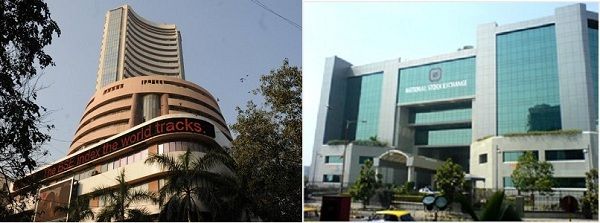
Difference Between BSE and NSE (with Comparison Chart) - Key ...
BSE & NSE


Both of India's main Stock Exchange i.e. National Stock Exchange ie NSE and Bombay Stock Exchange ie BSE are fully computerized. NSE and BSE use the automatic matching system, ie, the transaction is completed automatically when the price of the buyer and the seller match. If there are more people who buy or sell, then all transactions are completed according to the priority of time and price.

janye-SHARE-BAZAR-kaise-kaam-karta-hai


There are thousands of companies in the stock market and it is impossible to track these thousands of companies every day to know the condition of the market. INDICES were created to solve the problem. Such as NIFTY and SENSEX. The SENSEX is the free float market capitalization weighted average of the third well-settled company of different sectors of the BSE and the free float market capitalization weighted average of the Nifty's FIFTY company. We will cover how SENSEX and NIFTY calculates in the next article. We find out by looking at the index today whether STOCK is MARKET UP or DOWN. For example, when the Sensex is up, that is, in the green mark, then we say that the stock market is up when the Sensex is down, that is, in the red mark, then we say that the market is down like blood reports give information about the health of the patient. In the same way, the health of the Nifty and Sensex market shows.


IN HINDI :- 

स्टॉक मार्केट में हजारों कंपनियां होती हैं और इन कंपनियों के शेयर खरीदने और बेचने वाले लाखों करोड़ों लोग होते हैं। इन सभी को मिलाकर स्टॉक मार्केट बना है। बेसिकली दो तरह की कंपनीज होती हैं प्राइवेट लिमिटेड कंपनी और पब्लिक लिमिटेड कंपनी, प्राइवेट लिमिटेड कंपनी की ओनरशिप बहुत कम लोगों के पास होती है और हर किसी के लिए अवेलेबल नहीं होती। वहीं दूसरी ओर पब्लिक लिमिटेड कंपनी में ओनरशिप कोई भी ले सकता है। 

जैसे मान लीजिए एबीसी नाम की कोई कंपनी है जो सॉफ्टवेयर का कारोबार करती है। एबीसी बढ़िया क्वॉलिटी के और कॉम्पिटिटर्स के मुकाबले अच्छे सॉफ्टवेयर प्रोवाइड करती हैं जिसकी वजह से उनके software की डिमांड बढने लगी। उनके पास कपैसिटी से ज्यादा कस्टमर्स आने लगे और इसीलिए एबीसी ने अपना ऑपरेशन एक्सपैंड करने का फैसला किया। लेकिन अब दिक्कत यह है कि एबीसी के पास ऑपरेशन एक्सपैंड करने के लिए सुफ्फिसिएंट फंड ही नहीं है। ऐसी सिचुएशन में सुफ्फिसिएंट फंड जमा करने के लिए कंपनी के पास दो कॉमन रास्ते होते हैं। पहला है बैंक से लोन लेना। इसे Debt financing कहते हैं। दूसरा है कंपनी के शेयर बेच देना। इसे Equity Financing कहते हैं। अगर कंपनी बैंक से लोन लेती है तो उसे वो पैसा रिफंड तो करना ही होता है साथ में इंटरेस्ट भी देना होता है। वहीं दूसरी ओर अगर कंपनी शेयर बेचती है तो कंपनी को न पैसा रिर्टन करना होता है और ना ही इंटरेस्ट देना होता है और बिजनेस के reach/range भी सारे इनवेस्टर्स के बीच बढ़ जाती है। इन सारी बातों का ध्यान रखते हुए एबीसी ने अपने शेयर बेचने का फैसला किया। इस तरह जिन लोगों ने एबीसी के शेयर खरीदे उन्हें कंपनी का हिस्सा मिला और company को ऑपरेशन एक्सपेंड करने के लिए सुफ्फिसिएंट फंड मिल गया। 

जब बायर्स यानी खरीदने वाले सेलर्स से ज्यादा होते हैं तब शेयर की प्राइस बढ़ती है और जब सेलर्स यानी बेचने वाले बायर्स से ज्यादा होते हैं तो शेयर की प्राइस कम हो जाती है। ये रूल स्टॉक मार्केट की सभी कंपनीज पर लागू होता है। मार्केट में हजारों शेयर्स खरीदने वाले भी होते हैं और शेयर बेचने वाले भी होते हैं इसलिए शेयर की कीमत हर दिन चेंज होती रहती है। जब सेलर्स एग्रेसिव होते हैं तब वो कम कीमत पर भी शेयर बेचने के लिए तैयार हो जाते हैं और फिर शेयर के प्राइस गिरना शुरू हो जाती हैं। शेयर की प्राइस तब तक गिरती है जब तक बायर्स एग्रेसिव न हो जाए। जब बायर्स अग्रेसिव हो जाते हैं तब वो ऊंचे दाम पर भी शेयर खरीदने के लिए तैयार हो जाते हैं। इस तरह शेयर का भाव ऊपर नीचे होता रहता है। 

इंडिया के दोनों ही मुख्य Stock Exchange i.e.नेशनल स्‍टॉक एक्‍सचेंज यानी एनएसई(NSE) और बॉम्‍बे स्‍टॉक एक्‍सचेंज यानी बीएसई(BSE) पूरी तरह कंप्यूटराइज है। एनएसई और बीएसई ऑटोमैटिक मैचिंग सिस्टम का इस्तेमाल करते हैं यानी जब बायर और सेलर के प्राइस मैच हो जाती हैं तब ट्रांजेक्शन ऑटोमैटिकली पूरा हो जाता है। अगर खरीदने वाले या बेचने वाले लोग ज्यादा हैं तब टाइम और प्राइस की प्रायरिटी के हिसाब से सारे ट्रांजैक्शन पूरे किये जाते हैं। 

स्टॉक मार्केट में हजारों कंपनीज हैं और हर रोज मार्केट का हाल जानने के लिए इन हजारों कंपनीज को ट्रैक करना नामुमकिन है। इस प्रॉब्लम का सॉल्यूशन निकालने के लिए INDICES बनाए गए। जैसे कि निफ्टी(NIFTY) और सेंसेक्स(SENSEX) । सेंसेक्स बीएसई के अलग अलग सेक्टर की थर्टी वेल सेटल्ड कंपनी का फ्री फ्लोट मार्केट कैपिटलाइजेशन वेटेड एवरेज है और निफ्टी की फिफ्टी कंपनी का फ्री फ्लोट मार्केट कैपिटलाइजेशन का वेटेड एवरेज है। सेंसेक्स और निफ्टी कैसे कैलकुलेट करते हैं इसे हम नेक्स्ट article में कवर करेंगे। हम इंडेक्स को देखकर पता लगाते हैं कि आज STOCK MARKET UP है या DOWN । For Example जब सेंसेक्स अप होता है यानी हरे निशान में होता है तब हम कहते हैं कि स्टॉक मार्केट अप है जब सेंसेक्स डाउन होता है यानि लाल निशान में होता है तब हम कहते हैं कि मार्केट डाउन है जैसे ब्लड रिपोर्ट्स पेशंट के सेहत की जानकारी देते हैं उसी तरह निफ्टी और सेंसेक्स मार्केट की सेहत बताते हैं।

                                    THANKS !!!

                    🙏🙏               🙏🙏              🙏🙏                                        


YOU MAY LIKE THIS:- Share Market and its Dmat A/C to trade:how to Open

How does the stock market work?  


20 Common Indian Traditions that are Surprisingly Logical 🇮🇳


Common Indian Traditions that are Surprisingly Logical 🇮🇳 

India is such a pristine land of infinite traditions and rituals from many years ago although despite having witnessed or belonged to the present made society we have a tendency to lack the understanding behind our many rituals and complete them irrational and meaningless observance 

In this article until the end i'm positive you may be astonished and proud to understand however thoughtful our ancestors were in planning varied rituals and customs for our holistic well-being therefore with none additional delay, Let's start :-

Common-Indian-Traditions-surprisingly-logical

what is the importance of navaratri ever thought of it well virtually navratri means that 9 auspicious nights it is ascertained once within the starting of summer and next within the starting of winters.

                       If you observe the pattern it's celebrated at the 2 juncture of seasonal modification because the seasons modification the inner chemistry of people at large additionally changes during this transition the body's immunity goes downhill we have a tendency to square measure a lot of vulnerable to infections therefore observant fasts was found to be associate intelligent means to handle things even if you're not abstinence it had been advised to stay your diet light-weight throughout the navratris this alleged belief wasn't solely a way to forestall diseases however also a sensible half yearly routine  

whether it's piece of writing or fashionable science each have unanimous about the advantages of abstinence even spiritually ancient seers and saints found navratri nights to be a lot of conducive for sadhana. Overall navratri is a chance for the individuals to grow physically yet as spiritually.


Common-Indian-Traditions-surprisingly-logical

Ever puzzled why is that the peepal tree worshipped this can be as a result of the peepal tree exhales very high amounts of element oxygen throughout the day women were suggested to steer round the peepal tree early within the morning for ideal secretion balance and simple conception the aim of keeping associate idol was to relinquish them.
 

A lot of reason to follow this practice diligently except for this ayurvedic scriptures state varied medicinal uses of assorted components of the peepal tree then you would possibly have additionally detected somebody saying that ghost resides on the branches of the peepal tree in the dead of night the fact is that the peepal tree due to its dense nature also releases terribly high greenhouse emission and carbon dioxide during the night naturally anyone sleeping beneath the peepal tree are going to be element underprivileged therefore this is nothing however an honest example of how figurative  language was accustomed, simplify one thing advanced that later gets construed as a belief.
 

Common-Indian-Traditions-surprisingly-logical

Why is that the tulsi plant thought of sacred well it's a natural antibiotic reduces stress will increase immunity longevity and contains a peculiar ability to keep the insects mosquitoes and snakes at bay nowadays even fashionable scientific research has acknowledged its medicative properties. 

Common-Indian-Traditions-surprisingly-logical

Have you ever puzzled if there's any basis to the makeup worn by Indian Women except for its aesthetic attractiveness eyeliner was designed as how of applying stewed medicative herbs like Amalaki, Haritaki and Berberry to the eyes to clean,cool and forestall them from infections.

Common-Indian-Traditions-surprisingly-logical

Gold jewellery worn by indian girls isn't merely a standing image however it regulates the vital sign and enhances immunity then you may be amazed to understand that the bangles, nose ring, ear rings and also the toe ring was an intelligent means of regularly pressing the shiatsu(Acupressure) points that help women regulate emission cycles and maintain a perfect secretion balance, 

Common-Indian-Traditions-surprisingly-logical

during weddings bride and grooms apply mehndi on the hand and feet as mehndi leaves turn out a cooling result and reduces stress of the busy wedding days.

Common-Indian-Traditions-surprisingly-logical

All in all of these rituals have certain that means behind them ever thought why indian puja involves therefore many precise rituals,

Common-Indian-Traditions-surprisingly-logical

Whether it's a temple house of God or a Gurudwara these are the places with high positive energy the devotees are asked to steer barefoot inside the place of worship because the positive vibrations will simply be absorbed through feet. 

Common-Indian-Traditions-surprisingly-logical

Common-Indian-Traditions-surprisingly-logical

Throughout the Aarti of a spiritual being the cone shell would invariably be blown because it is completed even nowadays since villages were usually small the sound of the shank🐚 would re-sound everywhere the village people who could not create it to the temple would stop for seconds and praise to their lord, no matter they were doing for a couple of seconds and mentally bow all the way down to the almighty.

In islam this can be achieved through the azan the occupation of the devoted prayer additionally the sound made from the shank🐚 is believed to purify the environment.

Then applying tillak is another common ritual it's applied on the spot that lies between our eyebrows remarked because the Agni chakra the importance of applying tilaks at that time helps to conserve subtle energy of our body, and keeps us focused, ancestors found that the wood turmeric and saffron paste is sort of effective if applied on the agna chakra this additionally explains why girls wear a bindi at a similar spot. 


why-yagna-is-performed
              

Then have you ever wondered why yagna was performed it might seem sort of a futile exercise of burning heat herbs etc to ashes although it's a complicated method practice since the religious writing times to purify the surroundings many fashionable researchers too have acknowledged its advantages,

Common-Indian-Traditions-surprisingly-logical

Common-Indian-Traditions-surprisingly-logical

Likewise key lamps and agar bhattis were used to produce a positive aura then there are measure some rituals in India that have a symbolic that means , for example once we supply a coconut at the feet of a spiritual being we have a tendency to symbolically offer our own head implying total surrender to the divine by detaching our ego from the self, 

Common-Indian-Traditions-surprisingly-logical

                          there is a deep that means on why lotus which is additionally india's national flower is used in poojas the lotus leaf never gets wet even though it perpetually remains in water symbolising the person of knowledge who is unaffected by sorrow or joy. 

Common-Indian-Traditions-surprisingly-logical

then if you have got ever ascertained once natural camphor burns it leaves behind nothing in the least but a soothing fragrance its use within the puja is additionally to mark the burning of ego and purifying the environment practicing and understanding the deeper meanings of such rituals keeps the top light-weight and ego low is not it?

sleep-facing-north-get-scary-dreams

Never sleep facing the north as you will get shivery/scary dreams i am positive you have got detected this well there is a reason for it as we have a tendency to all grasp that the earth could be a massive magnet with north and south pole it has a robust magnetic pull towards the poles living within the northern hemisphere if we have a tendency to keep our head to the north and keep within the same position for seven to eight hours then the magnetic pull can place associate undue pressure on our brain this might also be the rationale why you typically wake up foggy even once a protracted sleep,

well you would possibly not be obtaining shivery dreams however it positively affects your health therefore any direction apart from the north is ok. In indian culture to face east whereas sleeping is taken into account the simplest.

prayer-before-meals

prayer-before-meal

Does one know what's the thought behind doing a prayer before a meet well hands  is highly effective in absorbent the maximum nutrition from the food allow us to take this forward and perceive why Indian meal despite that faith you came from always started with a prayer it's no brainer that prayer instantly calms down our mind and when we have a calm mind and eat with a relaxed mind we are able to eat food with a lot of awareness which once more ends up in higher assimilation of nutrients 

start-with-spicy-food-and-end-with-sweet
 

then our ancestors stress the fact that each meal ought to begin with a spicy food and finish with a sweet what's the reason behind this theory it's accepted that when we eat spicy foods the body secretes organic process juices ensuring a smooth and economical effective digestion method so a meal starts off with spicy courses initial sweets at the tip not solely provides a pleasant style however also are associated with the emotions of satiation/fullness. It is wonderful the insights of our ancestors

Had regarding the delicate chemical functioning of our body therefore this clearly explains however Indian superstitions were well thought of considering the varied aspects of life. THANK U..!!! 🙏🙏🙏

DOWNLOAD WORD-MEANING USED IN THIS POST:-


download-button


              🙏🙏              🙏🙏               🙏🙏            🙏🙏            


YOU MAY LIKE THIS:- How-does-stock-market-work

 SEO(Search Engine Optimisation)  

 Word-meaning

1.pristine= प्राचीन [pr.{prachin} ](Adjective)

2.astonished= दंग [pr.{danag} ](Verb)

3.ascertained= अभिनिश्चित [pr.{abhinishchit} ](Verb)

4.juncture= समय/परिस्थिति [pr.{samay/paristhiti} ](Noun)

5.forestall= पहले से निवारण करना [pr.{pahale se nivaraN karana} ](TransitiveVerb)

6.unanimous= सर्वसम्मत [pr.{sarvasammat} ](Adjective)

7.abstinence= परहेज करना [pr.{parahej karana} ](Verb

8.relinquish= त्‍यागना, छोडना [pr.{chhoDana} ](Verb)

9.diligently= मेहनत से [pr.{mehanat se} ](Adverb)

10.assorted= मिश्रित [pr.{mishrit} ](Verb)

11.underprivileged= अल्पसुविधा प्राप्त [pr.{alpasuvidha prapt} ](Adjective)

12.accustomed= परिचित,आदी [pr.{Adi} ](Verb)

13.peculiar= असामान्य, अजीब [pr.{ajib} ](Adjective)

14.aesthetic= सौंदर्य संबंधी [pr.{saunadary sanabanadhi} ](Noun)

15.stewed= देर तक पकाया गया [pr.{der tak pakaya gaya} ](Verb)

16.steer= अनुकरण करना [pr.{anukaraN karana} ](Verb)

17.subtle= जटिल [pr.{jaTil} ](Adjective)

18.pretentious= आडंबरी [pr.{ADanabari} ](Adjective)

19.alleged= कथित [pr.{kathit} ](Verb)

20.perpetually= हमेशा [pr.{hamesha} ](Adverb)

21.futile= निरर्थक, व्यर्थ [pr.{nirarthak, vyarth} ](Adjective)

22.grasp= समझ,पकड़ना [pr.{pakaDana} ](TransitiveVerb)

23.robust=  मजबूत,सुदृढ़ [pr.{sudaRaDha} ](Adjective)

24.protracted= लम्बा [pr.{lamba} ](Adjective,verb)

25.shivery= डर से कँपकँपा देने वाला [pr.{Dar se kaNapakaNapa dene vala} ](Adjective)

26.Delicate= लिहाज रखनेवाला [pr.{lihaj rakhanevala} ](Adjective)

27.assimilation= समावेश [pr.{samavesh} ](Noun)

28.seers= भविस्यवकता, सिद्ध पुरुष( noun)


Mann ki Sehat(हैल्थ&वेलनेस)

                   मन की सेहत ( हैल्थ&वेलनेस ) दु निया में हर 10 में से एक व्यक्ति मानसिक समस्या से पीड़ित है।  दो सूत्र : सोशल मीडिया ...

Popular Posts